Merkel's A340 Nightmare: Inside the Konrad Adenauer Failure
The image of a world leader stranded on a tarmac, unable to reach a crucial international summit, is hardly one of efficiency or national prestige. Yet, this became Angela Merkel's reality in November 2018, when Germany's then-Chancellor, en route to the G20 summit in Argentina, found her official government jet, the Airbus A340 "Konrad Adenauer," grounded due to a catastrophic technical failure. This incident not only caused significant diplomatic inconvenience but also shone a harsh spotlight on the complexities of maintaining high-stakes government aircraft, particularly concerning the intricate systems within the
Konrad Adenauer Flugzeug Innen (interior of the Konrad Adenauer aircraft).
The Night the G20 Summit Nearly Missed Merkel: A Technical Debacle
The journey began like any other official state trip. Aboard the "Konrad Adenauer" were Chancellor Merkel, Vice-Chancellor Olaf Scholz, and a delegation of officials and journalists, destined for Buenos Aires. However, shortly after takeoff, the mission took an unforeseen and alarming turn. High over the Netherlands, disaster struck: a complete failure of multiple critical electronic systems.
The core of the problem lay with a defective component – a central switching unit within the onboard electronics known as the Transformer Rectifier Unit (TRU). This single faulty part crippled not one, but two independent radio communication systems, which are designed to serve as mutual backups in emergencies. Compounding the crisis, the same defect prevented the pilots from performing a crucial safety maneuver: the ability to dump fuel in the air to reduce the aircraft's landing weight. Overloaded for an emergency landing, the A340 was in a precarious situation.
With communication systems down, the pilots faced an immense challenge. They could not adequately respond to the power outage or restore the communication technology. The flight was immediately aborted, and the "Konrad Adenauer" was diverted to Cologne/Bonn Airport. There, Merkel and her delegation were forced to spend the night, missing the opening events of the G20 summit. The next day, Merkel and Scholz, along with a smaller group, scrambled to catch a commercial flight, first to Madrid and then with Iberia to Argentina, arriving just in time for the evening dinner with other heads of state. The incident was a stark reminder that even the most advanced aircraft, and certainly the sophisticated
Konrad Adenauer Flugzeug Innen systems, are vulnerable to single-point failures and human factors.
Unraveling the Mystery: Blame, Denials, and Digital Divides
The immediate aftermath of the incident triggered a flurry of investigations and public debate. Initial reports, particularly from Der Spiegel, pointed fingers at Lufthansa Technik, the subsidiary responsible for modifying the A340 for government use and its subsequent maintenance. According to these reports, Lufthansa Technik had failed to inform the Flight Readiness Squadron pilots, or even the manufacturer Airbus, about a newly installed digital communication system. This alleged lack of crucial information meant the pilots lacked sufficient knowledge of the technology, rendering them unable to react effectively to the power outage and reactivate the systems.
However, both Lufthansa Technik and the German Ministry of Defense swiftly refuted these claims. Jens Krüger, a spokesperson for Lufthansa Technik, stated emphatically that the company had "at all times complied with all aviation regulations," including documentation requirements, while declining to elaborate further on specifics. The Ministry of Defense echoed this sentiment, attributing the incident solely to the "failure of a component, and consequently the radio devices." A ministry spokesperson asserted that the aircraft was "always in a safe condition and safety on board was always guaranteed," pushing back against suggestions of inadequate pilot training or systemic communication failures.
This conflicting narrative highlights a critical challenge in complex technical environments: the delicate balance between adhering to regulations and ensuring comprehensive operational knowledge. While Lufthansa Technik may have met its documentation obligations, the implication that pilots were unfamiliar with a newly integrated system, particularly within the sensitive
Konrad Adenauer Flugzeug Innen, raised serious questions about the practical transfer of knowledge and the overall readiness of the flight crew for unforeseen emergencies. The failure of redundant systems – two radio units and the fuel dumping mechanism – also underscored a deeper issue in the resilience of the aircraft's electrical and control architecture.
Beyond the Breakdown: The Broader Implications for Germany's VIP Fleet
The "Konrad Adenauer" incident was not an isolated event. Germany's government fleet had a history of technical woes, raising concerns about the reliability of state transport. Just a month prior, the same A340 "Konrad Adenauer" had been grounded in Indonesia after rodents damaged internal wiring. These recurring issues underscored the significant challenges of operating and maintaining a small, highly specialized fleet under demanding international conditions.
For a nation like Germany, efficient and secure VIP transport is paramount. It ensures that leaders can attend critical diplomatic engagements, project national strength, and react swiftly to global events. The Merkel incident, therefore, was not merely an inconvenience but a blow to operational efficiency and, arguably, to Germany's international image at a key multilateral forum.
In response to the November 2018 debacle, the Flight Readiness Squadron took immediate action. All pilots were mandated to receive comprehensive information and training on the new communication system. Furthermore, the faulty Transformer Rectifier Units were replaced in both of the government's A340 aircraft, and configuration changes were implemented to prevent similar occurrences. While the sister ship, "Theodor Heuss," quickly returned to service, the "Konrad Adenauer" underwent a planned, extensive maintenance overhaul in Hamburg.
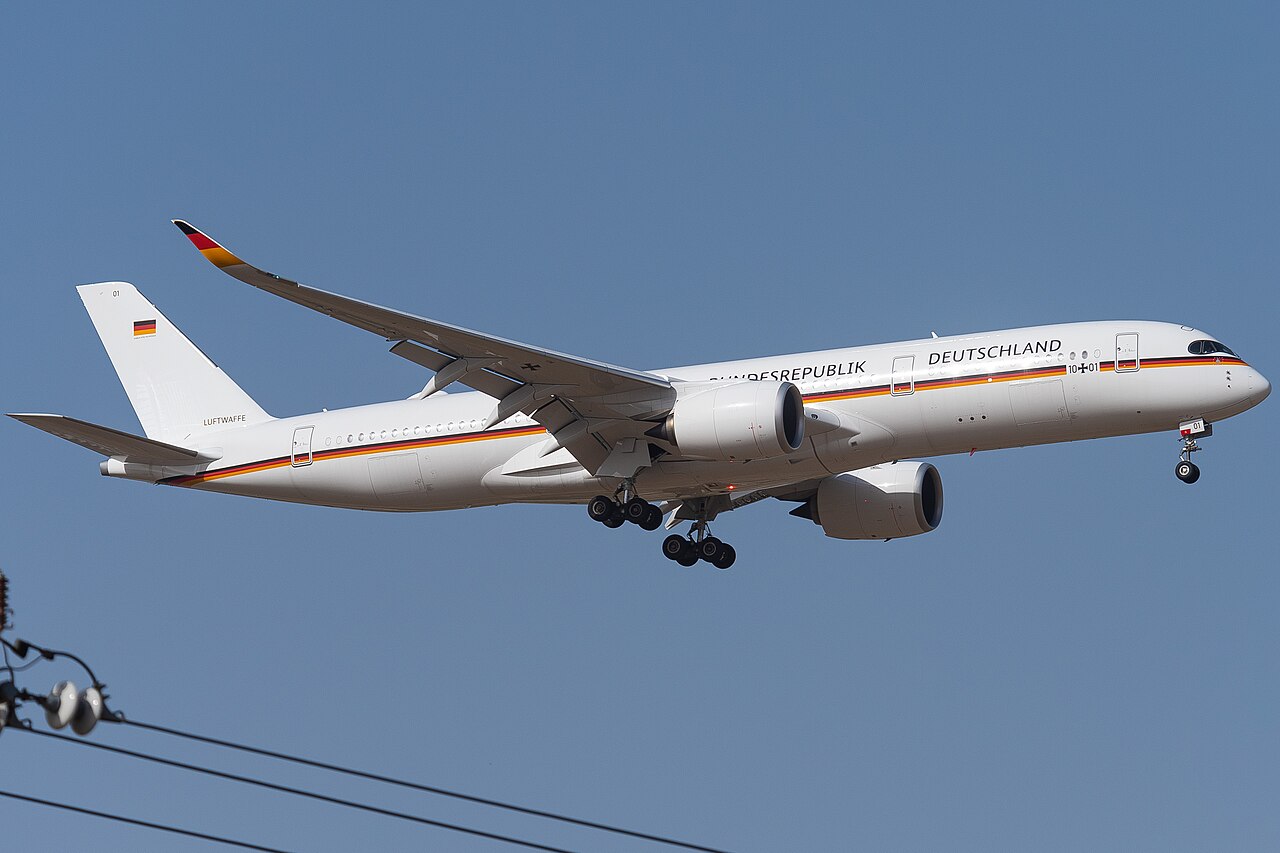
The long-term solution, however, was already in motion. Recognizing the limitations and aging nature of the A340 fleet, Germany had initiated a procurement program for newer, more advanced aircraft. This strategic move led to the acquisition of the Airbus A350, a modern, fuel-efficient, and technologically superior long-range aircraft. The first of these new jets, continuing the legacy, was also named "Konrad Adenauer" and was officially christened in the presence of the original Konrad Adenauer's grandson. This newer
Inside Germany's New A350: The Konrad Adenauer Takes Flight represents a significant upgrade in capabilities and reliability for Germany's government transport needs. The transition from the A340 to the A350 marks a crucial evolution in the government's approach to state flights, as detailed in
From A340 to A350: The Evolution of Germany's Konrad Adenauer Fleet, emphasizing enhanced technology and operational robustness for the future of the German VIP fleet.
Ensuring Future Flight Readiness: Lessons Learned and Proactive Measures
The "Konrad Adenauer" failure provided invaluable lessons for aerospace maintenance, pilot training, and governmental logistics.
- Comprehensive Documentation and Communication: Beyond merely meeting regulatory requirements, there's a critical need for transparent and proactive communication regarding any system changes or upgrades. All relevant stakeholders, especially operational personnel like pilots, must be thoroughly informed and updated.
- Holistic Pilot Training: Training should not only cover standard operating procedures but also deeply familiarize pilots with the specific configurations and modifications of their aircraft. Understanding the intricacies of the Konrad Adenauer Flugzeug Innen, from its digital communication systems to emergency power protocols, is non-negotiable for handling complex failures.
- Rigorous Maintenance and Component Quality: The incident highlighted the potentially devastating impact of a single faulty component. Investing in robust quality control for parts, thorough inspection protocols, and proactive replacement schedules for critical units like the TRU are essential to prevent system-wide failures.
- Enhanced Redundancy and Failure Mode Analysis: While modern aircraft are designed with redundancy, the A340 incident showed that even backup systems can be compromised by a common failure point. Regular, in-depth failure mode analysis can identify such vulnerabilities and lead to design or procedural changes to bolster true resilience.
- Transparency in Investigation: Clear and unbiased investigation results, shared openly (within security limits), foster trust and enable continuous improvement across the aviation industry.
For any organization operating highly complex machinery, these principles underscore the necessity of a safety culture that prioritizes continuous learning, inter-departmental collaboration, and an unwavering commitment to operational excellence.
The "Konrad Adenauer" A340 incident, while a diplomatic embarrassment, served as a potent catalyst for change. It prompted an immediate review of procedures, investment in pilot training, and accelerated the modernization of Germany's government fleet. The replacement of the A340s with the state-of-the-art A350, bearing the same venerable name, symbolizes not just an upgrade in technology but a renewed commitment to ensuring seamless, secure, and reliable travel for Germany's leaders on the global stage.